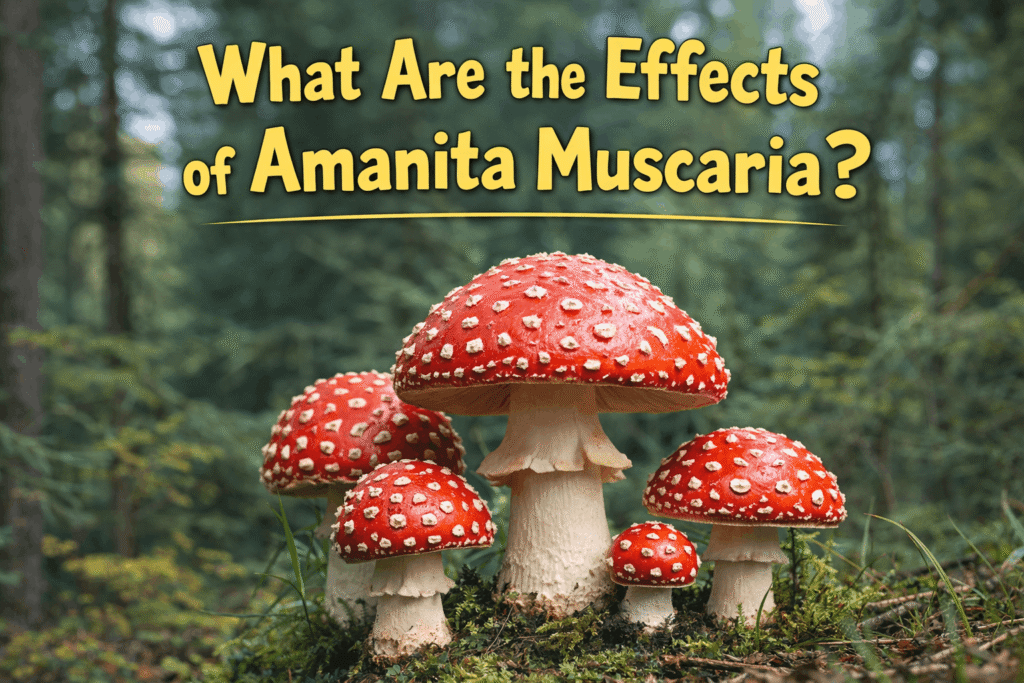
Amanita muscaria produces calming, dream-like effects driven by muscimol, a GABA-A receptor agonist. Users typically experience physical relaxation, mild euphoria, altered perception, and sedation effects that differ fundamentally from those of psilocybin mushrooms. Onset occurs 30–90 minutes after consumption, with peak effects at 1–3 hours and a total duration of 4–8 hours. Proper preparation through drying or controlled extraction is critical, as raw mushrooms contain ibotenic acid, which causes nausea, dizziness, and confusion.
The iconic red-and-white spotted mushroom has fascinated humans for centuries, appearing in shamanic rituals, European folklore, and modern popular culture from the Super Mario franchise to garden gnome figurines. Unlike classical psychedelics, Amanita muscaria works through the brain’s GABA system rather than serotonin pathways, producing a fundamentally different experience.
Understanding these effects requires examining the mushroom’s biochemistry, traditional uses, modern applications, and the considerable variation in individual responses. For those interested in exploring it in a controlled and measured format, Mushroom Magical offers carefully crafted gummies and chocolate bars that combine this traditional mushroom with other functional fungi for balanced wellness support.
How Does Amanita Muscaria Affect the Brain and Body?
Amanita muscaria’s effects stem from muscimol, a potent GABA-A receptor agonist that enhances the brain’s primary inhibitory neurotransmitter. This calms neural activity rather than stimulating it, producing physical relaxation, reduced anxiety, and a distinctive mental detachment.

The GABAergic action explains why users commonly report physical heaviness, muscle relaxation, and slowed thinking. It decreases neural excitability rather than amplifying sensory input, resulting in altered time perception and dreamlike cognitive patterns, without the motor impairment typically associated with alcohol.
Physical effects include changes in body temperature perception, mild perspiration, and increased salivation. Pupil dilation is minimal. The sedating properties can lead to drowsiness or sleep at higher doses, a quality that traditional users specifically sought for spiritual dream work. The cardiovascular system generally remains stable.
Proper preparation is essential. Drying or heating converts ibotenic acid into the more desirable muscimol through decarboxylation, significantly reducing adverse effects. Lab-tested products use standardized extraction to ensure this conversion is complete.
What Psychological Effects Can Users Expect?
Psychological effects range from mild relaxation and euphoria at low doses to profound dream-like states and altered consciousness at higher amounts. Users commonly report childlike wonder, heightened appreciation for simple experiences, and a sense of being in a waking dream. Effects are highly dose-dependent.
Visual experiences typically involve perceptual distortions rather than true hallucinations. Objects may appear to change size, a phenomenon associated with “Alice in Wonderland syndrome” (macropsia and micropsia). Colors may appear more vivid, and spatial perception can feel altered. The overall quality is dreamlike, reality feels shifted without introducing elaborate new visual elements.
Emotional states fluctuate during the experience. Many users describe waves of euphoria, contentment, or peaceful acceptance. Others experience introspective periods where thoughts wander through memories in unexpected ways. The cognitive quality tends toward spacey detachment rather than enhanced insight; linear thinking becomes difficult.
Time perception commonly distorts, and some users enter hypnagogic states, the twilight between waking and sleeping. Memory formation can be impaired, leading to only fragmentary recall afterward, which reinforces the trance-like quality of the experience.
What Are the Traditional and Historical Uses?
Indigenous Siberian cultures, particularly the Koryak, Kamchadal, and Chukchi peoples of the Kamchatka Peninsula, used Amanita muscaria ceremonially for thousands of years. Shamans consumed the mushroom to enter altered states for divination, healing rituals, and communication with the spirit world, using specific preparation methods within sacred cultural contexts.
Traditional practices sometimes involved recycling muscimol through urine, which reduced ibotenic acid content while maintaining psychoactive properties, a sophisticated pharmacological understanding developed over generations. Koryak folklore venerates the mushroom as a sacred gift from Big Raven, the first shaman and progenitor of the human race. The mushroom featured prominently in winter solstice ceremonies and was dried and stored for year-round use.
The mushroom appears throughout global culture. It’s the iconic toadstool of European fairy tales and is thought to have inspired Lewis Carroll’s size-changing mushroom in Alice’s Adventures in Wonderland. Some scholars have proposed connections to Norse berserker rituals and Santa Claus imagery, though these theories remain debated among historians.
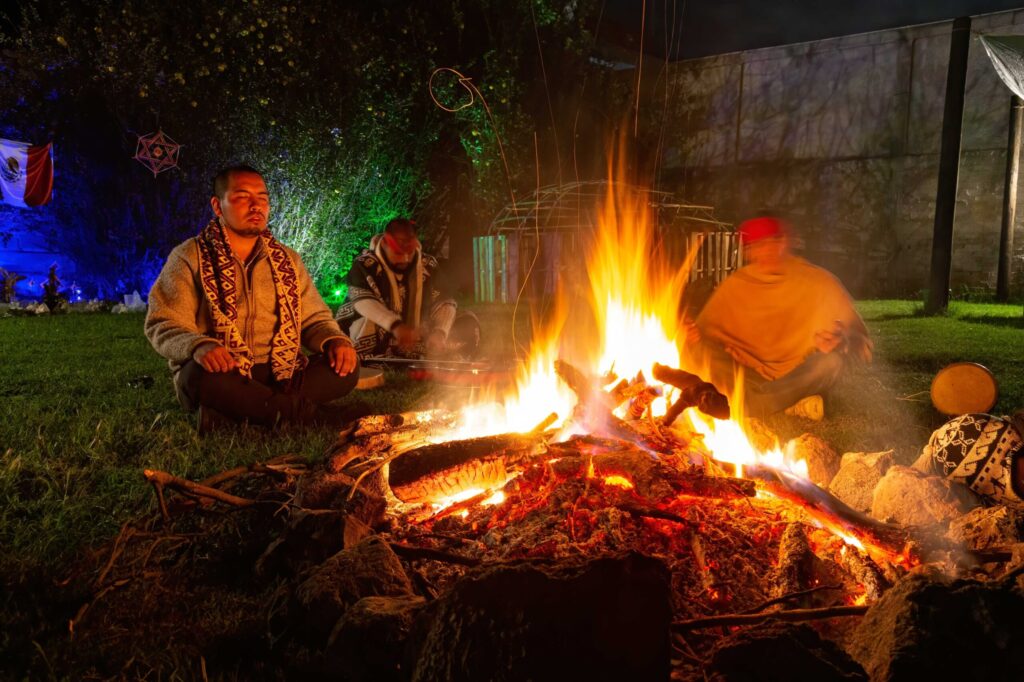
In traditional contexts, set and setting were carefully controlled, experienced users guided novices, specific rituals accompanied consumption, and the community provided support throughout. This framework differs dramatically from modern use, where individuals often lack cultural preparation or experienced guides. The traditional approach treated the mushroom with reverence and caution, recognizing its power to disorient as well as enlighten.
How Do Dosage and Preparation Methods Impact Effects?
Dosage dramatically affects the experience. A muscimol microdose of 1–5 mg produces subtle relaxation and mood elevation. Moderate psychoactive doses of 5–15 mg create clear altered perception and mild euphoria. Higher doses can produce intense experiences with significant disorientation, though individual sensitivity varies widely.
Preparation method is equally critical. Fresh Amanita muscaria mushroom contains higher ibotenic acid levels that cause nausea, dizziness, and confusion. Drying at moderate temperatures (around 170°F/75°C) converts much of this into muscimol. Simmering dried material in water or tea further enhances the conversion. Traditional Siberian methods included mixing with reindeer milk to improve palatability.
Wild mushroom potency varies enormously based on growing conditions, age, location, and subspecies. Specimens from some regions contain two to three times the muscimol of others. Caps contain higher concentrations of active compounds than stems. This natural variation makes dosing whole mushrooms challenging and unpredictable.
Modern commercial products like Mushroom Magical gummies use controlled extraction processes to standardize muscimol content while minimizing ibotenic acid, creating predictable effects and eliminating the risks of self-preparation.
What Are the Potential Risks and Side Effects?
Common adverse effects include nausea, stomach discomfort, dizziness, and muscle twitching, are primarily caused by ibotenic acid and are significantly reduced by proper preparation. Individual sensitivity means some people may still experience mild discomfort even with well-prepared products.
The sedating effects create practical risks. Coordination may be impaired, and the altered mental state reduces the ability to respond to emergencies. Users should avoid driving or activities requiring concentration during and for several hours after consumption. People with anxiety disorders, psychotic conditions, or other mental health concerns face elevated risks and should consult healthcare providers.
Dangerous interactions may occur when combining Amanita muscaria with alcohol, benzodiazepines, or other GABAergic substances, which can create excessive sedation. The safest approach involves using it alone in a controlled setting with a sober companion present, especially for first-time users. Starting with very low doses helps identify personal sensitivity before progressing.
How Does Amanita Muscaria Compare to Other Psychoactive Mushrooms?
Amanita muscaria differs fundamentally from psilocybin mushrooms in mechanism, effects, and legal status. Psilocybin acts on serotonin receptors, producing enhanced sensory perception, introspective insights, and often mystical experiences.
Amanita muscaria’s GABAergic action produces sedation, dreamlike states, and physical relaxation, a calmer, more inward experience.
Visual effects diverge significantly. Psilocybin creates geometric patterns, flowing surfaces, and complex hallucinations. It produces subtler changes, size distortions, slight color enhancement, and a hazy perceptual quality without elaborate patterns. The therapeutic applications being explored differ accordingly: psilocybin for depression and trauma, Amanita muscaria for sleep and anxiety.
Legally, psilocybin remains a Schedule I controlled substance federally, though Oregon and Colorado have legalized supervised therapeutic use. Amanita muscaria is not a scheduled substance, making it more widely accessible. For a deeper comparison of these two mushrooms, see our full guide: Amanita Muscaria vs. Psilocybin: What’s the Difference?
What Modern Applications Are Being Explored?
Modern wellness applications focus primarily on microdosing, taking sub-perceptual amounts intended to provide subtle benefits without significant impairment.
Sleep enhancement represents a growing area of interest. Research suggests muscimol may enhance the quality and duration of deep NREM sleep, the restorative stage critical for physical recovery and memory consolidation. The sedating and dream-enhancing effects appeal to people struggling with insomnia or racing thoughts at bedtime.
Anxiety and stress management applications build on the mushroom’s GABA-enhancing properties. A 2023 study analyzing over 5,600 Amanita muscaria consumers found that stress reduction, relief from depressive symptoms, and improved sleep were among the most commonly cited reasons for use. Small doses may produce calming effects similar to pharmaceutical anxiolytics but with a different side-effect profile, though systematic clinical research comparing these options doesn’t yet exist.
Combination products pairing Amanita muscaria with other functional mushrooms represent a growing market. Mushroom Magical blends Amanita extracts with Lion’s Mane for cognitive support, Reishi for stress management, Chaga for antioxidant benefits, and Cordyceps for energy, aiming to create balanced, complementary effects.
Creative and spiritual practices also attract interest, as some artists and meditators use low doses seeking altered perspectives. Pain management and muscle relaxation represent additional areas of potential, though scientific investigation remains in early stages with most evidence coming from individual reports rather than controlled studies.
Frequently Asked Questions About the Effects of Amanita Muscaria
How long do the effects of Amanita muscaria last?
Effects typically last 4–8 hours, with onset at 30–90 minutes and peak effects at 1–3 hours. Some residual effects, like mild drowsiness, may persist for up to 24 hours after larger doses. The duration varies more widely than with psilocybin mushrooms.
Can you build tolerance to Amanita muscaria?
Yes, tolerance develops with repeated use, though less rapidly than with psilocybin or LSD. It typically resets within a few days of abstinence. Daily use is not recommended due to tolerance and sedating effects. Most people who microdose use it 2–3 times per week at most.
Is Amanita muscaria legal to possess and use?
Amanita muscaria is not a controlled substance. It is legal to possess in most countries, including every U.S. state except Louisiana, which specifically banned it under State Act 159. However, the FDA ruled in December 2024 that its compounds are not authorized as food ingredients in commercial products. Regulations continue evolving, so consumers should always verify local laws.
What’s the difference between muscimol and ibotenic acid?
Muscimol is the primary desired psychoactive compound, a GABA-A receptor agonist that produces calming, sedating effects. Ibotenic acid is its precursor, converting to muscimol through heat or drying. Unconverted ibotenic acid acts on glutamate receptors and causes nausea, confusion, and dizziness. Proper preparation maximizes muscimol while minimizing ibotenic acid.
Can Amanita muscaria be detected in drug tests?
Standard drug tests do not screen for muscimol or ibotenic acid. Employment, legal, and athletic screenings focus on substances like THC, opioids, amphetamines, and cocaine. Since muscimol is not a controlled substance, testing agencies have no reason to include it in standard panels.
What should you do if someone has an adverse reaction?
Keep the person safe, comfortable, and hydrated. Most adverse reactions, including nausea, dizziness, and confusion, resolve as effects wear off. If symptoms include severe vomiting, extreme disorientation, difficulty breathing, or loss of consciousness, seek medical attention immediately. Be honest with providers about what was consumed.
Disclaimer: This article is for informational and educational purposes only and does not constitute medical advice. Consult a healthcare provider before using any psychoactive substance, especially if you have pre-existing conditions, take medications, or are pregnant or nursing.