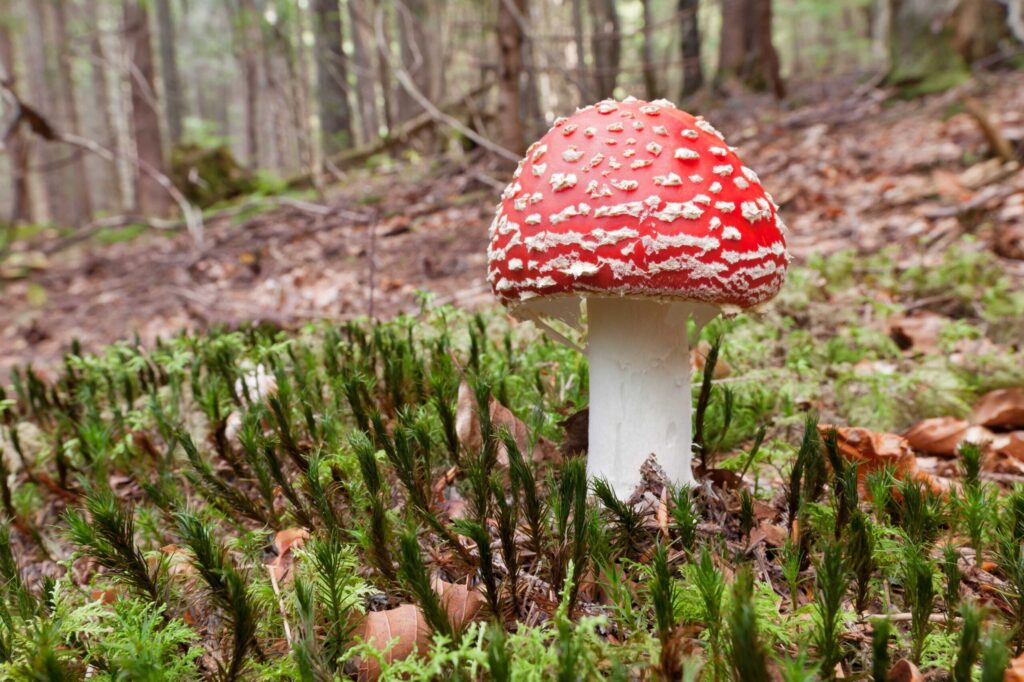
Amanita muscaria, commonly called the fly agaric, is a large, visually striking mushroom recognized by its bright red cap with white spots and white gills. Found across forests in the Northern Hemisphere, it contains psychoactive compounds like muscimol and ibotenic acid that can cause hallucinations, confusion, and potentially toxic effects.
Amanita muscaria is a red-capped mushroom with white spots, historically used in shamanic rituals across Siberia, Northern Europe, and parts of Asia. It contains two main psychoactive compounds, muscimol and ibotenic acid, that produce sedative and dissociative effects rather than classic psychedelic experiences.
While toxic when eaten raw, traditional preparation methods reduce its toxicity for controlled use. Unlike psilocybin mushrooms, Amanita muscaria works through a completely different pathway in the brain. It targets GABA receptors instead of serotonin receptors, which is why the experience feels more calming than trippy.
Modern interest has surged as people explore its potential for relaxation, sleep support, and mental clarity. At Mushroom Magical, our products combine Amanita muscaria with functional mushrooms for balanced wellness formulations. Explore our full collection to find the right fit for your wellness routine.
Where Does Amanita Muscaria Naturally Grow?
Amanita muscaria grows in temperate and boreal forests across the Northern Hemisphere. It forms symbiotic relationships with tree roots, especially pine, spruce, fir, birch, and cedar, and appears most often from late summer through fall in cool, moist climates with acidic soil.
Global Distribution and Regional Varieties
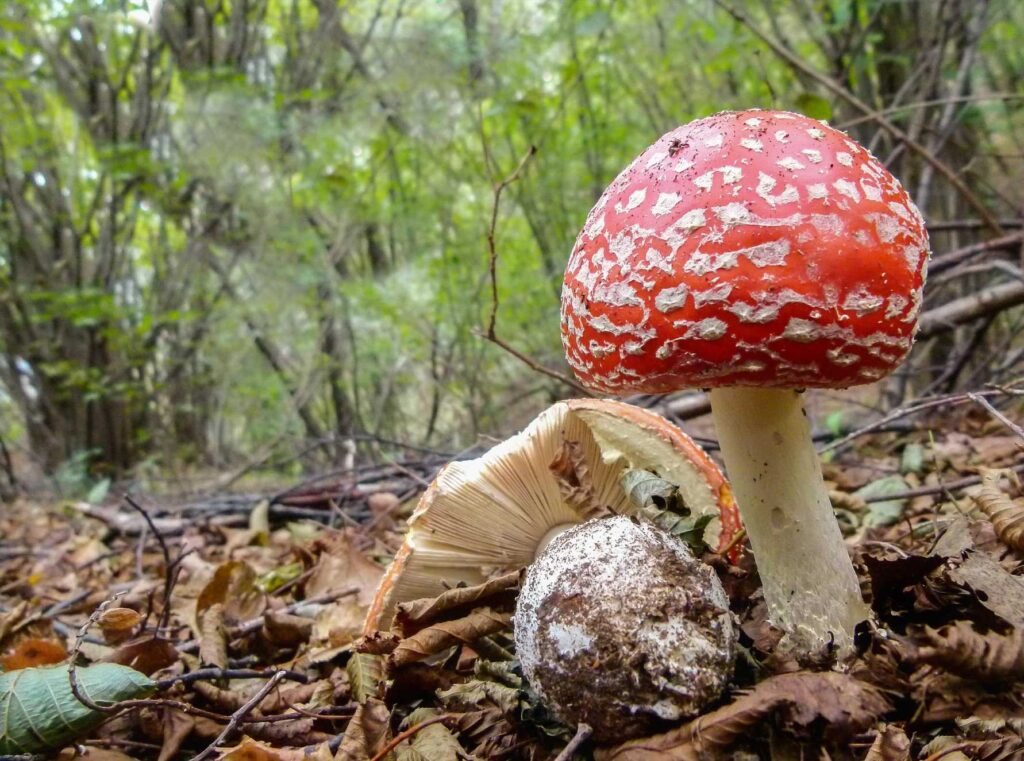
Its range stretches from Scandinavian forests and Siberian tundra to the mountains of Central Europe and the coastal woodlands of the Pacific Northwest. This wide distribution explains why so many different cultures discovered and used this mushroom independently. Cap colors vary by region, ranging from bright red to orange, yellow, or white, though the classic red-capped form is most common in European and North American forests.
Ecological Role in Forest Systems
Amanita muscaria plays an important ecological role by exchanging nutrients with trees. roots and supporting overall forest health. Forest-dwelling peoples noticed that wildlife, especially reindeer, would eat the mushroom and behave differently afterward. These observations likely sparked early human curiosity about its properties.
What Are the Active Compounds in Amanita Muscaria?
Amanita muscaria contains two key psychoactive compounds: muscimol and ibotenic acid. Both affect the central nervous system through GABA receptor activity, but they work in very different ways.
Ibotenic Acid and the Importance of Preparation
Ibotenic acid is found in fresh mushrooms and can cause nausea, muscle twitching, and confusion. It acts on glutamate receptors, which are excitatory rather than calming.
Traditional cultures discovered that drying the mushroom converts a portion of ibotenic acid into muscimol, the compound responsible for the calming effects. However, drying alone produces incomplete and unpredictable conversion, which is why more controlled preparation methods matter.
How Muscimol Affects the Brain
Muscimol binds directly to the GABA-A receptor at the same site where the brain’s own GABA molecule attaches. In scientific terms, it is an orthosteric agonist, meaning it mimics GABA itself. This is fundamentally different from how alcohol and benzodiazepines work.
Those substances attach to separate sites on the receptor and modify its activity indirectly. Users of muscimol typically report deep relaxation, dreamlike states, altered size perception, and enhanced introspection.
Modern Extraction Techniques
Modern extraction focuses on maximizing the muscimol content while reducing ibotenic acid. This scientific approach builds on centuries of traditional knowledge and helps ensure consistent, predictable effects with less discomfort.
How Was Amanita Muscaria Used Historically?
Amanita muscaria has played a role in human spiritual and cultural practices for thousands of years. Its use is best documented among indigenous Siberian tribes, though its influence extends across multiple continents and traditions.
Siberian Shamanic Traditions
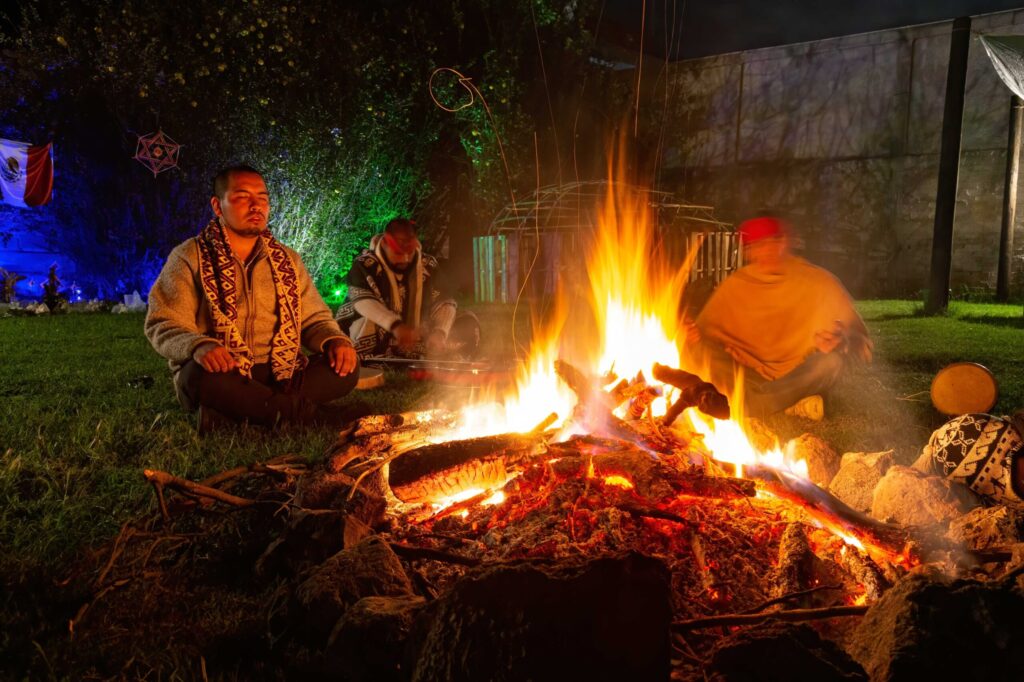
Siberian shamans consumed Amanita muscaria during spiritual ceremonies to enter altered states of consciousness. Ethnobotanists studying tribes like the Koryak, Kamchadal, and Chukchi documented these practices, which date back millennia. Shamans viewed the mushroom as a sacred gift that allowed them to journey to other realms, diagnose illness, and receive divine wisdom.
Reusing the Mushroom’s Psychoactive Properties
One remarkable practice involved recycling the mushroom’s active compounds. Because muscimol passes through the body largely unchanged, urine from someone who consumed the mushroom still retains its psychoactive effects.
Communities used this method to stretch limited supplies and soften the intensity of the experience. While unusual by modern standards, it shows just how deeply these cultures understood the mushroom’s chemistry.
Influence on Mythology and Folklore
Amanita muscaria left its mark on cultural mythology as well. Some scholars believe it may be connected to Soma, the sacred plant described in ancient Vedic texts. Its iconic red-and-white appearance also shaped European folklore, likely inspiring fairy tale imagery of magical forests, size-altering substances, and enchanted toadstool dwellings.
What Effects Does Amanita Muscaria Produce?
Amanita muscaria produces sedative, dreamlike effects that include physical relaxation, altered perception, and inward reflection. Effects typically last 4 to 8 hours, with the peak hitting around 1 to 3 hours after consumption.
Low-to-Moderate Dose Effects
At lower doses, users notice mild sedation, muscle relaxation, and subtle shifts in perception. Some report enhanced appreciation for music, better sleep quality, and a gentle lift in mood. At moderate doses, these effects become more pronounced. Drowsiness increases, and the well-known “Alice in Wonderland” effect can occur, where the body or surroundings seem to shrink or expand.
Higher Dose Effects
Higher doses bring more intense dissociation and vivid internal visions, though most users retain some awareness of their surroundings. Unlike classic psychedelics, Amanita muscaria rarely produces euphoria or mystical experiences. Instead, the overall feel leans toward deep sedation, quiet introspection, and unusual perceptual shifts.
Individual Variation and Response
Everyone responds differently to Amanita muscaria. Factors like genetic sensitivity to GABA receptors, prior experience with similar substances, and personal metabolism all play a role. Mushroom Magical’s formulations use precise extract amounts combined with functional mushrooms to create balanced, manageable experiences.
Is Amanita Muscaria Legal in the United States?
Amanita muscaria is legal in most of the United States since it is not scheduled under the Controlled Substances Act and does not contain psilocybin or psilocin. Louisiana is the primary exception, having specifically prohibited its possession and sale.
Why It Remains Unscheduled
This legal status comes down to the mushroom’s unique chemistry. Psilocybin mushrooms gained mainstream attention during the 1960s counterculture movement and were quickly banned.
Amanita muscaria, by contrast, stayed relatively unknown in Western culture despite its ancient history. That said, state and local governments can still pass their own regulations, so the legal picture may continue to shift.
Benefits for Research and Consumers
Because Amanita muscaria is not federally restricted, researchers face fewer barriers when studying it compared to scheduled substances. At Mushroom Magical, we operate in full compliance with all applicable regulations and maintain complete transparency about our product contents, sourcing, and preparation methods.
How Should Amanita Muscaria Be Prepared for Consumption?
Proper preparation is essential for both safety and effectiveness when using Amanita muscaria. The goal is to convert ibotenic acid into muscimol through a process called decarboxylation.
Traditional Drying Methods
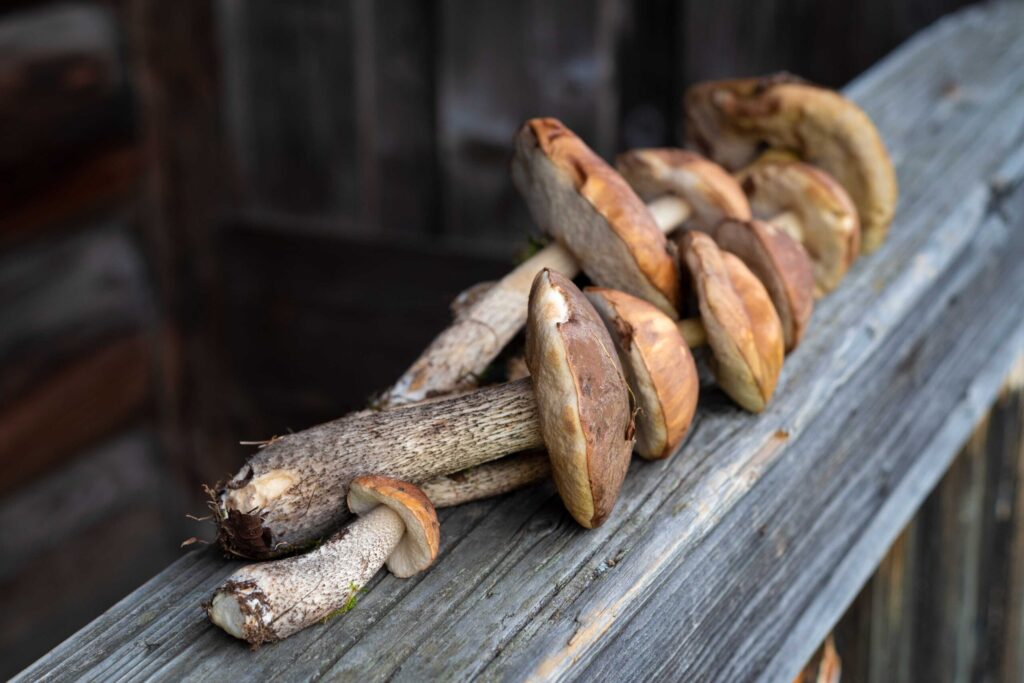
The oldest preparation method is simple drying. Traditional Siberian shamans hung mushrooms near fires or placed them in sunny spots for weeks to maximize muscimol content. This process converts ibotenic acid into muscimol, but the results can be inconsistent depending on conditions.
Modern Preparation Techniques
Modern methods bring more precision. Low-temperature ovens or dehydrators set to approximately 190 to 200°F speed up decarboxylation without destroying the active compounds, as muscimol begins to degrade above 200°F. Water-based extractions also work well since muscimol dissolves easily in water.
Potency varies significantly between individual mushrooms based on growing conditions, maturity, and which part of the mushroom is used. The cap’s red skin layer contains the highest concentration.
Why Standardized Extracts Matter
This natural variability makes accurate dosing difficult with whole mushrooms, which is why standardized extracts are a safer and more reliable option. Mushroom Magical uses advanced extraction techniques with rigorous batch testing to ensure consistent potency. Our formulations combine Amanita muscaria with Lion’s Mane, Reishi, Chaga, and Cordyceps for synergistic wellness benefits.
What Are the Potential Risks and Safety Considerations?
Like any psychoactive substance, Amanita muscaria carries risks that users should understand before consumption. Responsible use starts with knowing the potential dangers and how to minimize them.
Species Misidentification
The most serious risk is picking the wrong mushroom. Deadly species like Amanita phalloides (death cap) and Amanita virosa (destroying angel) can look similar to young or faded Amanita muscaria, especially to inexperienced foragers. Even small amounts of these toxic look-alikes can cause fatal organ damage. This is why purchasing from reputable sources is always safer than wild foraging.
Dose-Related Risks and Drug Interactions
Taking too much can lead to severe confusion, inability to walk, disorientation, and prolonged unconsciousness. Fatalities from Amanita muscaria alone are extremely rare, but mixing it with alcohol or other GABA-affecting substances raises the risk significantly.
People with liver or kidney conditions, anxiety disorders, or low blood pressure should avoid it entirely. The same applies to anyone who is pregnant, nursing, or taking medications that affect GABA pathways. Always consult a healthcare provider first.
Harm Reduction Best Practices
Buying standardized products from trusted vendors eliminates many preparation-related risks. Beyond that, start with a low dose, avoid combining it with other substances, make sure you are in a safe and comfortable setting, and have a sober friend nearby for your first experience.
Experience Amanita Muscaria with Mushroom Magical
Amanita muscaria sits at a fascinating crossroads of ancient wisdom and modern wellness. From Siberian shamanic traditions to today’s natural health movement, this mushroom continues to prove its value for relaxation, introspection, and unique states of consciousness. Understanding its compounds, preparation methods, effects, and safety considerations is the first step toward using it responsibly.
At Mushroom Magical, we provide premium Amanita muscaria products that honor traditional wisdom while applying modern science. Our gummies combine expertly prepared extracts with functional mushrooms like Lion’s Mane, Chaga, Reishi, and Cordyceps, designed for contemporary wellness needs.
Call us today to discover how Amanita muscaria can support your wellness journey with quality, consistency, and safety you can count on.
Frequently Asked Questions
Can Amanita Muscaria Help with Sleep?
Many users report better sleep after taking Amanita muscaria, thanks to its sedative properties and GABA receptor activity. It can help quiet racing thoughts and promote physical relaxation before bed. Some people do experience vivid dreams, so starting with a low evening dose is a good idea. Pairing it with Reishi may offer additional sleep support benefits.
How Does Amanita Muscaria Differ from Psilocybin Mushrooms?
Despite both being mushrooms, these are fundamentally different substances. Psilocybin mushrooms activate serotonin receptors, producing visual hallucinations, emotional intensity, and mystical experiences. Amanita muscaria works on GABA receptors, creating sedation, dissociation, and dreamlike states without the classic psychedelic visuals. Their legal status is different too. Psilocybin mushrooms are federally prohibited, while Amanita muscaria remains legal in most states.
What Do Amanita Muscaria Gummies Taste Like?
Well-made gummies use natural sweeteners and fruit flavors to cover the mushroom’s earthy, slightly bitter taste. The result tastes similar to regular fruit gummies while delivering a standardized dose of extract. This makes gummies a popular choice for people who want the benefits without the harsh flavor of dried mushroom material or raw extracts.
How Long Do Amanita Muscaria Effects Last?
Effects generally last 4 to 8 hours, peaking around 1 to 3 hours after you take it. How long it lasts depends on your dosage, metabolism, how it was prepared, and whether you ate food beforehand. Some people feel a bit groggy the next day, especially after evening use. Plan your schedule accordingly so you are not caught off guard.
Can You Microdose Amanita Muscaria?
Microdosing Amanita muscaria is becoming more popular for daily wellness support. Because it works through GABA pathways instead of serotonin receptors, small sub-perceptual doses may reduce stress and improve sleep without any noticeable high. Typical microdoses range from 50 to 200mg of dried mushroom or equivalent extract. Standardized extracts make consistent microdosing much easier than working with whole mushroom material.
What Other Mushrooms Combine Well with Amanita Muscaria?
Amanita muscaria pairs well with several functional mushrooms. Lion’s Mane supports focus and cognitive function, which can balance out the sedative effects. Reishi adds relaxation and immune support. Chaga brings antioxidant benefits, and Cordyceps provides energy and stamina to offset any daytime drowsiness. These combinations make it possible to create targeted blends for evening wind-down, overall wellness, or balanced daytime use.
Disclaimer: This article is for educational purposes only and is not medical advice. Amanita muscaria contains psychoactive compounds and is not FDA-regulated. Consult a healthcare provider before use, especially if you have pre-existing conditions, take medications, or are pregnant or nursing. Always purchase from reputable sources with third-party testing.