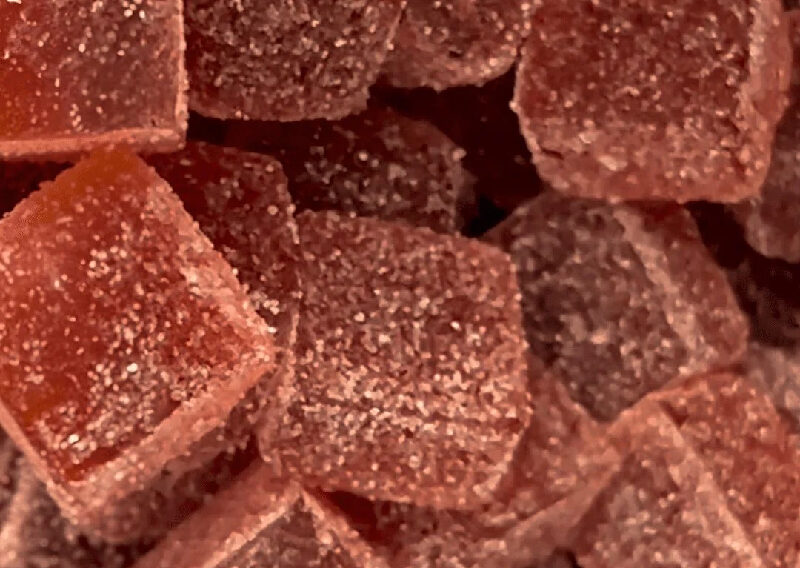
Muscaria mushroom gummies contain two categories of ingredients: active compounds from Amanita muscaria extract, primarily muscimol and ibotenic acid, and a food-grade gummy base that typically includes gelatin or pectin, corn syrup, sugar, citric acid, and natural flavors.
Understanding what goes into muscaria mushroom gummies helps consumers make more informed decisions about what they are taking, how it works, and what to look for on a product label. The ingredients divide into two groups: the psychoactive compounds derived from the mushroom extract and the carrier ingredients that form the gummy itself.
At Mushroom Magical, we believe that informed consumers are safer consumers. If you have questions about our Amanita muscaria gummies or want to learn more before purchasing, contact us today.
What Is Amanita Muscaria Extract and What Does It Contain?
Amanita muscaria extract is the active ingredient in muscaria mushroom gummies, derived from the fly agaric mushroom through a controlled extraction process designed to concentrate its psychoactive compounds while reducing potentially harmful ones. The extract contains three naturally occurring compounds: muscimol, ibotenic acid, and muscarine, though their roles and pharmacological significance differ considerably.
Muscimol: The Primary Active Compound
Muscimol is the principal psychoactive compound in Amanita muscaria and the main reason people consume these gummies. It is a GABA-A receptor agonist with sedative and hallucinogenic effects and the principal psychoactive constituent of Amanita mushrooms, closely related structurally to the inhibitory neurotransmitter GABA.
This mechanism is fundamentally different from psilocybin, which acts on serotonin receptors, which is why the two compounds produce such different experiences.
GABA-A receptors are widely distributed in the brain, so when muscimol is administered, it alters neuronal activity in multiple regions, including the cerebral cortex, hippocampus, and cerebellum. Peak effects occur after 1 to 3 hours orally, and their duration is 4 to 8 hours but can extend up to 24 hours.
Quality manufacturers measure and verify muscimol content per serving, which is one of the most important things to confirm on a product’s certificate of analysis.
Ibotenic Acid: The Precursor Compound
Ibotenic acid is the naturally occurring compound in raw Amanita muscaria that converts into muscimol through decarboxylation. Ibotenic acid is a non-selective agonist of glutamate receptors, strongly activating NMDA and metabotropic glutamate receptors, and is a conformationally restricted analogue of the excitatory neurotransmitter glutamate.
In unconverted form, it is significantly more toxic than muscimol and is responsible for many of the adverse effects associated with improperly prepared Amanita products, including nausea, disorientation, and, in severe cases, seizures. Proper preparation through drying or heating reduces its toxicity while preserving the psychoactive properties of the resulting muscimol.
The level of residual ibotenic acid in a finished gummy depends on:
- Drying method: Slow, controlled drying at the right temperature promotes ibotenic acid-to-muscimol conversion without degrading the resulting muscimol.
- Extraction process: Heat, acidic conditions, or pressure during extraction further drive conversion of residual ibotenic acid into muscimol.
- Third-party lab testing: A certificate of analysis from an accredited laboratory should confirm that ibotenic acid levels fall within safe limits before a product goes to market.
Reputable brands list both muscimol content and residual ibotenic acid in their lab reports. A product that only lists total extract weight without specifying compound levels is providing incomplete safety information.
Muscarine: The Trace Alkaloid
Muscarine is a naturally occurring alkaloid in Amanita muscaria that acts on muscarinic acetylcholine receptors. However, its relevance in finished gummy products is negligible. Despite giving the entire muscarinic acetylcholine receptor system its name, muscarine is present in Amanita muscaria at only around 0.0003%, a concentration too low to play any meaningful pharmacological role.
Furthermore, muscarine cannot cross the blood-brain barrier, meaning it produces no central nervous system effects at the concentrations found in Amanita muscaria. It appears on ingredient labels of full-spectrum products because it is naturally present in the mushroom, not because it contributes to the gummy’s effects.
How Is the Amanita Muscaria Extract Processed Before It Goes Into a Gummy?
The extraction and processing method used by a manufacturer directly determines both the safety and potency of the final product. Raw Amanita muscaria mushrooms are not safe for direct consumption at useful doses because of their high ibotenic acid content and unpredictable compound ratios that vary by season, geography, and age of the mushroom.
Decarboxylation and Extraction
Decarboxylation is the chemical process that converts ibotenic acid into muscimol through the application of heat, acidic conditions, or pressure. Ibotenic acid bears structural similarity to glutamic acid and, once decarboxylated, forms muscimol, which bears structural similarity to GABA and acts as a potent agonist of GABA-A receptors. This step is non-negotiable for a safe product. Some manufacturers use a simple drying process; others use more advanced extraction methods that apply heat, alcohol, or water to produce a concentrated extract with verified muscimol content.
The main extraction approaches used in the industry include:
- Aqueous extraction: Water-based extraction that pulls soluble compounds from dried mushroom material. Effective but requires precise temperature control to avoid degrading muscimol.
- Alcohol extraction: Uses ethanol to isolate compounds, producing a more concentrated and consistent extract. Residual alcohol must be removed before the extract enters the gummy base.
- Multiplied extract (e.g., 4x): A concentration method where a stated multiple represents how many times the raw material has been reduced. A 4x extract means four parts raw mushroom material produced one part extract, increasing potency per gram.
Third-Party Lab Testing
Third-party testing by an ISO-accredited laboratory is the only reliable way to verify what is actually in a finished product. A complete certificate of analysis should cover muscimol potency per serving, residual ibotenic acid levels, heavy metals, pesticides, microbial contamination, and confirmed absence of psilocybin or other undisclosed controlled substances.
Research published in the CDC’s Morbidity and Mortality Weekly Report found that some gummies labeled as containing Amanita muscaria were found to contain unlabeled psilocybin and psilocin, both Schedule I substances, alongside other undisclosed compounds including caffeine, ephedrine, and mitragynine. This makes lab documentation not a marketing feature but a basic safety requirement.
What Ingredients Make Up the Gummy Base?
The gummy base converts the mushroom extract into a consistent, stable, and palatable edible form. These ingredients carry no psychoactive properties and are standard across the confectionery and supplement industries.
Gelling Agents: Gelatin vs. Pectin
The gelling agent determines the texture of the gummy and whether the product is suitable for different dietary preferences.
The two most common gelling agents used in mushroom gummies are:
- Gelatin: Derived from animal collagen, gelatin produces a firm, elastic texture and is the traditional base for gummy candies. It is not suitable for vegan or vegetarian consumers.
- Pectin: A plant-derived polysaccharide extracted from fruit cell walls, pectin produces a slightly softer set than gelatin and is suitable for vegan and vegetarian diets. Some manufacturers use both to balance texture.
Consumers with dietary restrictions should check the ingredient label specifically for this, as manufacturers do not always highlight the distinction in product marketing.
Sweeteners and Structural Ingredients
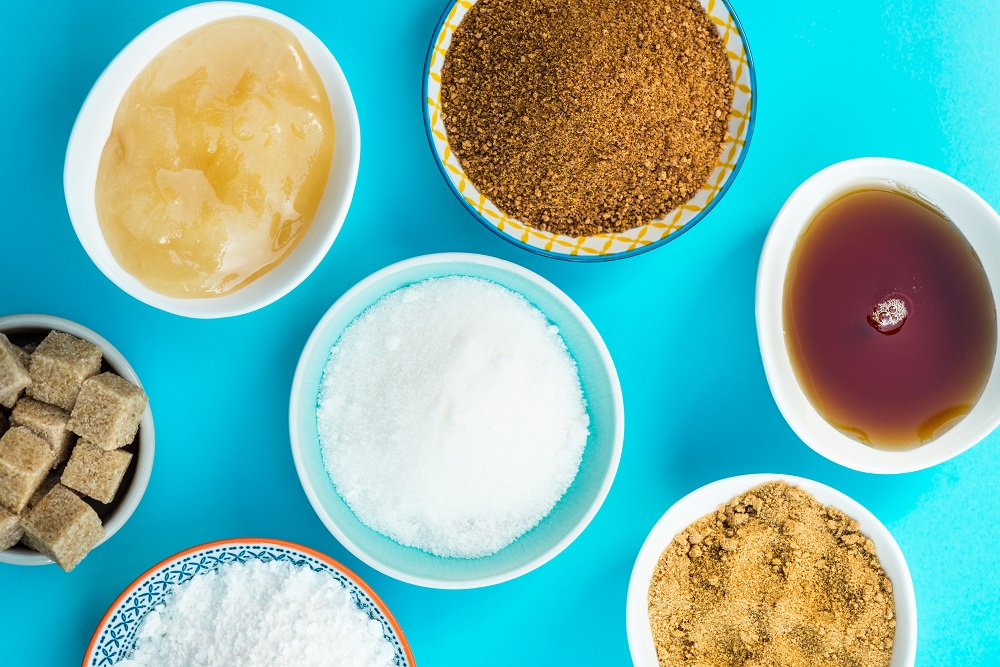 Corn syrup and sugar form the structural and flavor foundation of the gummy. Corn syrup functions as a humectant, preserving moisture and maintaining the chewable texture over the product’s shelf life.
Sugar contributes sweetness and helps the gummy hold its shape. Some newer formulations use alternatives like tapioca syrup, organic cane sugar, or glucose syrup to appeal to consumers seeking cleaner ingredient profiles.
Citric Acid
Citric acid serves two functions: it provides the mild tartness that balances sweetness in most gummy formulations, and it lowers the product’s pH, which inhibits microbial growth and extends shelf life. It is naturally found in citrus fruits and is considered safe at standard food-use concentrations.
Some formulations also include sodium citrate alongside citric acid to buffer acidity and reduce the risk of stomach upset, particularly relevant with Amanita-based products.
Flavoring and Colorants
Natural and artificial flavors create the product’s taste profile, most commonly fruit-based options like strawberry, mixed berry, or tropical blends. These are used in food-safe concentrations and are generally proprietary to the manufacturer.
Colorants, either from natural sources such as fruit and vegetable concentrates or synthetic food-approved dyes, provide the visual consistency that helps consumers identify the product and confirm freshness.
Processing Aids: Oils and Wax
Vegetable oil and coconut oil are used in small amounts as release agents during manufacturing, preventing gummies from sticking to molds and to each other. Carnauba wax, derived from the leaves of the carnauba palm, is applied as a surface coating that gives gummies a smooth, non-tacky finish and a slight sheen. Both are common in professional confectionery production and serve no pharmacological function.
What Should You Look for on a Muscaria Gummy Ingredient Label?
Reading a mushroom gummy label carefully before purchasing can help identify products that meet basic quality and safety standards versus those that are vague or incomplete.
Muscimol or Extract Quantity Per Serving
The label should specify either the milligrams of muscimol per gummy or the milligrams of Amanita muscaria extract per gummy alongside an indication of the muscimol concentration within that extract. A label that only states total extract weight without further detail makes it impossible to assess potency or compare products accurately.
Gelling Agent Disclosure
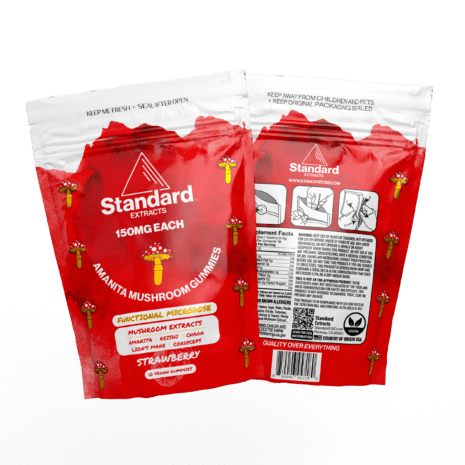 Gelatin or pectin should be listed clearly. If you follow a vegan or vegetarian diet or avoid animal-derived ingredients for any reason, this is one of the most straightforward things to confirm before purchasing.
Lab Report Accessibility
A reputable manufacturer makes its certificates of analysis available, either on the product page or by request. Look for reports that test specifically for muscimol content, residual ibotenic acid, contaminants, and absence of controlled substances. The testing laboratory should be ISO 17025 accredited, which is the gold standard for analytical testing facilities, and reports should document screening for pesticides, residual solvents, mycotoxins, heavy metals, and microbial contamination.
Allergen Information
Coconut oil is a common ingredient in gummy manufacturing and is a known allergen for some consumers. Gelatin sourced from different animals, wheat-derived glucose syrups, and certain natural flavors can also trigger sensitivities. These should be disclosed clearly on the packaging.
Where to Find Lab-Tested Muscaria Mushroom Gummies
Understanding what goes into a muscaria mushroom gummy is only half the equation. The other half is finding a manufacturer that actually does what a responsible one should: verify muscimol content per serving, confirm ibotenic acid conversion through decarboxylation, screen for contaminants, and make all of that documentation available before you buy.
Those standards are not universal in this market, which makes it worth spending a few minutes checking a brand’s lab reports before placing an order.
At Mushroom Magical, we publish full lab documentation and use a verified 4x extraction process across every batch we produce. Our Amanita Muscaria Mushroom Gummies are available in multiple pack sizes at the Mushroom Magical store.
Medical Disclaimer: These statements have not been evaluated by the Food and Drug Administration. This product is not intended to diagnose, treat, cure, or prevent any disease. Consult a healthcare professional before use, especially if you are pregnant, nursing, taking medications, or have a pre-existing medical condition. Not for use by individuals under the age of 21. Keep out of reach of children.
Frequently Asked Questions
What is the main active ingredient in muscaria mushroom gummies?
Muscimol is the primary active compound. Its precursor, ibotenic acid, converts to muscimol when dried or heated, reducing toxicity while preserving psychoactive effects. The potency of the final gummy depends on how thoroughly this conversion has been completed during processing.
Do muscaria mushroom gummies contain psilocybin?
No. Amanita muscaria does not naturally contain psilocybin or psilocin. These compounds are found in a separate genus of mushrooms entirely. However, some poorly tested or fraudulently labeled products have been found to contain undisclosed psilocybin and psilocin, both Schedule I substances. This is why third-party lab testing that specifically screens for tryptamines is important.
What is the difference between gelatin and pectin in mushroom gummies?
Gelatin is derived from animal collagen and produces a firmer, more elastic gummy texture. Pectin is derived from plant cell walls and is suitable for vegan and vegetarian consumers. The two can be combined to adjust the final texture. Neither ingredient has any psychoactive properties.
Why does ibotenic acid matter on the ingredient label?
Ibotenic acid is a non-selective glutamate receptor agonist that induces excitotoxicity by overactivating NMDA receptors, causing calcium overload and neuronal damage at high doses. A properly processed gummy should have low residual ibotenic acid, confirmed by third-party testing. Products that do not disclose this information or provide lab reports should be approached with caution.
What does a 4x extract mean on a mushroom gummy label?
A 4x extract means that four parts of raw mushroom material were used to produce one part of finished extract, concentrating the active compounds. It is a measure of concentration relative to raw material, not an absolute measure of muscimol content. Always confirm actual muscimol milligrams per serving rather than relying on extract multiplier claims alone.
Are muscaria mushroom gummies legal?
Amanita muscaria is not scheduled under the federal Controlled Substances Act. However, on December 18, 2024, the FDA determined that Amanita muscaria, its extracts, and its constituents muscimol, ibotenic acid, and muscarine do not meet the GRAS standard and are unapproved food additives. This does not make the substance federally illegal in the way scheduling would, but it does create regulatory exposure for brands selling it in food products. Louisiana is currently the only state that has banned Amanita muscaria outright.