
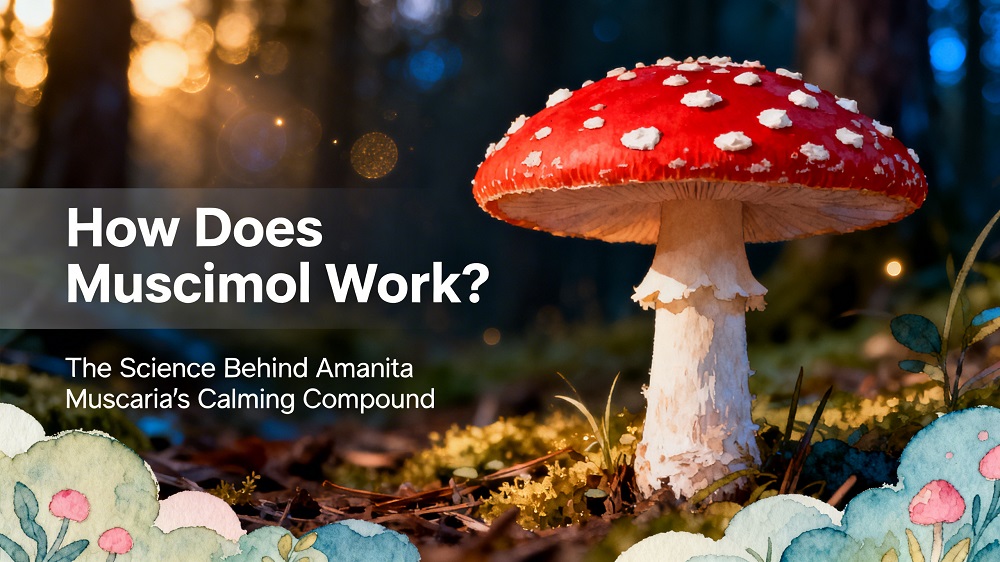
Muscimol is the primary psychoactive compound in Amanita muscaria mushrooms. It works by binding to GABA-A receptors in the brain, mimicking gamma-aminobutyric acid (GABA), the body’s main inhibitory neurotransmitter. This slows neural activity, producing calming, sedative, and consciousness-altering effects. Unlike psilocybin mushrooms that work through serotonin pathways, muscimol affects neural inhibition rather than excitation.
Understanding muscimol’s unique pharmacology helps anyone exploring Amanita muscaria products make informed decisions. Its distinct profile has made it increasingly popular in wellness formulations, often combined with beneficial mushrooms like Lion’s Mane and Reishi. Mushroom Magical offers carefully formulated products that harness these natural compounds in convenient, consistent doses.
Explore our full collection of Amanita muscaria gummies and chocolate bars today.
What Is Muscimol and Where Does It Come From?
Before exploring how muscimol works in the brain, it helps to understand what this compound actually is and how it’s produced. Its origins trace back to one of the most recognizable mushrooms on the planet.
The Primary Compound in Amanita Muscaria
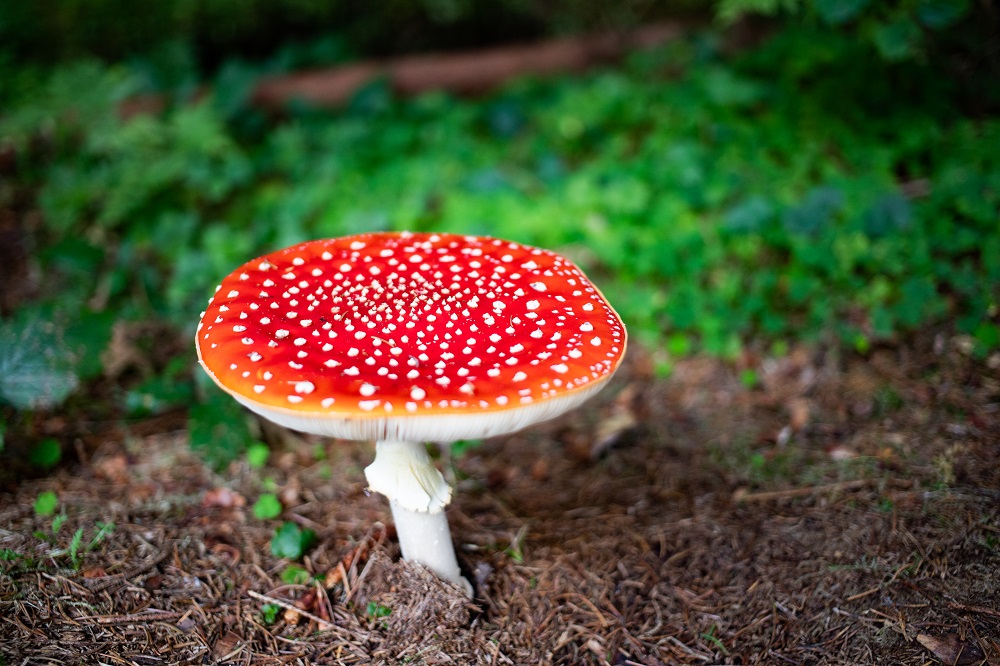
 Muscimol is the primary psychoactive alkaloid in Amanita muscaria, the iconic red-and-white spotted mushroom found throughout temperate and boreal regions worldwide.
This compound forms when ibotenic acid, another constituent of the mushroom, undergoes decarboxylation through drying or heating processes.
A Rich Cultural History
The mushroom has a rich history spanning Siberian shamanic traditions, Scandinavian folklore, and various indigenous practices across the Northern Hemisphere.
Traditional preparation methods often involved drying the mushrooms, which naturally converts more ibotenic acid into muscimol. This created a more predictable and pleasant experience. Modern extraction techniques now allow for the isolation of muscimol in controlled amounts, making standardized products possible.
Why Proper Preparation Matters
The conversion from ibotenic acid to muscimol is crucial because these two compounds produce very different effects. Ibotenic acid acts as a glutamate receptor agonist, producing stimulant and potentially neurotoxic effects, while muscimol provides the calmer, more desirable GABAergic effects that many seek.
Proper preparation maximizes muscimol content while minimizing ibotenic acid, which is why quality matters tremendously in Amanita muscaria products. Reputable suppliers use specific processing methods to optimize this ratio, ensuring users experience the benefits without unnecessary discomfort.
How Does Muscimol Interact With GABA Receptors?
Muscimol’s effects all come down to how it communicates with a specific type of receptor in your brain. Understanding this interaction reveals why the compound produces such distinct calming and sedative experiences.
Activating the Brain’s Calming System
Muscimol acts as a potent GABA-A receptor agonist, meaning it binds to and activates these receptors throughout the central nervous system. GABA-A receptors are ligand-gated ion channels that, when activated, allow chloride ions to flow into neurons. This reduces neuronal excitability and promotes calmness.
The brain relies on a delicate balance between excitatory and inhibitory signals. GABA serves as the primary brake system, preventing neurons from firing too rapidly or too often.
When muscimol binds to GABA-A receptors, it directly activates them in the same way GABA would, essentially acting as a substitute for the brain’s own calming signals. Unlike benzodiazepines and alcohol, which enhance GABA’s existing effects as allosteric modulators, muscimol is an orthosteric agonist that binds to the same site as GABA itself and activates the receptor independently. This is a fundamental distinction from psychedelics like psilocybin, which increase certain types of neural activity through serotonin receptors.
Receptor Distribution Across the Brain
Different brain regions contain varying densities of GABA-A receptors, which explains why muscimol’s effects can be multifaceted. High concentrations exist in areas associated with motor control, cognition, emotion regulation, and consciousness.
Unlike GABA itself, muscimol is able to cross the blood-brain barrier, likely via active transport systems. While its permeability is relatively modest compared to some synthetic analogs, it is sufficient to produce centrally active effects, typically beginning within 30 minutes to 2 hours of ingestion.
Exceptional Binding Strength
The binding affinity of muscimol to GABA-A receptors is significantly stronger than GABA itself, particularly at extrasynaptic δ subunit-containing receptors where it shows nanomolar-level affinity. This explains why relatively small amounts produce noticeable effects.
Research suggests muscimol shows selectivity for certain receptor subtypes, contributing to its unique pharmacological profile. This sets it apart from other GABAergic compounds like benzodiazepines or alcohol, which work through GABA systems but with different binding patterns and resulting effects.
What Neurological Effects Does Muscimol Produce?
Muscimol’s impact on the brain doesn’t follow a one-size-fits-all pattern. The effects shift considerably depending on how much is consumed, ranging from gentle relaxation to deeply altered states of awareness.
Low-Dose Effects: Relaxation and Mild Euphoria
At lower doses, muscimol primarily produces relaxation and mild euphoria. Users often report feeling physically at ease, with tension melting away from muscles and a general sense of contentment settling in.
Cognitive effects at this level might include slight changes in perception, enhanced appreciation for sensory experiences, and a dreamlike quality to thoughts, all without significant impairment of normal functioning.
Moderate-Dose Effects: Altered Perception
Unlike stimulating psychedelics, these perceptual changes occur within a context of deep physical relaxation, creating a uniquely sedative altered state. Some people describe a heavy-limbed sensation or feeling of being pleasantly weighted into their surroundings.
Higher-Dose Effects: Profound Altered States
Higher doses can lead to profound changes in consciousness, including dissociative experiences, vivid dreamlike states while still technically awake, and significant alterations in time perception.
 The threshold between consciousness and sleep becomes blurred, with some users reporting lucid dreamlike experiences or visions with closed eyes. Motor coordination typically decreases at these levels, and the sedative effects become quite strong, often leading to sleep.
The compound also appears to affect memory formation, which explains why people sometimes report fragmented recollections of their experiences. The anxiolytic effects can be particularly pronounced, with many users describing a complete absence of worry during peak effects, though individual responses vary based on set, setting, and personal neurochemistry.
How Long Does Muscimol Remain Active in the Body?
Knowing how long muscimol stays active helps set realistic expectations for the experience. Several factors influence both the timeline and intensity of its effects.
Onset and Peak Timeline
Muscimol’s duration of effects typically ranges from four to eight hours, with peak experiences occurring between one to three hours after ingestion.
After oral ingestion, absorption begins in the digestive tract. Noticeable effects usually start within 30 minutes to 2 hours. Peak effects typically occur between one to three hours after ingestion, correlating with the most intense subjective effects.
Metabolism and Elimination
Unlike some substances that require liver metabolism into active forms, muscimol is already pharmacologically active when consumed. The kidneys handle primary excretion, filtering muscimol from the bloodstream.
Research indicates that roughly one-third of ingested muscimol is excreted unchanged in urine, with the remainder being conjugated or metabolized through oxidation. Muscimol is also known to be a substrate of GABA transaminase, which contributes to its metabolism in the body.
Individual Factors That Influence Duration
Body weight, metabolism speed, kidney function, tolerance, and concurrent food consumption all play significant roles in how long effects last.
Someone with a faster metabolism might experience a shorter but more intense peak. Taking muscimol with a full stomach typically slows absorption, creating a more gradual onset and potentially extended duration, though with reduced peak intensity.
What Distinguishes Muscimol From Other Psychoactive Compounds?
Muscimol is often grouped alongside other psychoactive substances, but the comparison only goes so far. Its GABAergic mechanism creates an experience profile that’s fundamentally different from psychedelics, dissociatives, and even alcohol.
Muscimol vs. Classical Psychedelics
Classical psychedelics like psilocybin, LSD, and mescaline work primarily through serotonin 5-HT2A receptor agonism, increasing neural connectivity and excitability. This typically results in enhanced sensory perception, complex visual patterns, and significant mental stimulation.
Muscimol’s inhibitory action creates nearly opposite effects: decreased neural firing, sedation rather than stimulation, and dreamlike rather than hyperaware states.
Muscimol vs. Dissociatives and Cannabis
Dissociatives like ketamine block glutamate signaling, creating detachment from body and environment within a more alert state. Muscimol’s dissociation, by contrast, occurs within deep sedation.
Cannabis works through cannabinoid receptors and can sometimes increase anxiety in susceptible individuals. Muscimol’s GABAergic action more reliably produces anxiolytic effects, though both substances can alter time perception and create shifts in consciousness.
Muscimol vs. Alcohol
Alcohol also enhances GABA signaling, which explains some superficial similarities like relaxation and motor impairment. However, alcohol affects multiple neurotransmitter systems simultaneously and produces toxic metabolites that cause hangovers.
Muscimol’s more targeted mechanism avoids alcohol’s broad multi-system effects and the toxic metabolite acetaldehyde, which contributes to hangovers. That said, some users do report after-effects such as fatigue, grogginess, or headache following muscimol use. The cultural and ritual use of Amanita muscaria spans millennia, suggesting that traditional societies found its effects valuable and manageable when prepared correctly.
How Does Dose Affect Muscimol’s Impact?
With muscimol, dose is everything. The range from threshold to strong effects is relatively narrow, making precision and product standardization critically important for a consistent experience.
Threshold to Light Doses (6–10 mg)
Users typically experience subtle relaxation, slight shifts in perception, mild euphoria, and reduced anxiety, all without significant impairment. This range appeals to those seeking wellness benefits without profound alterations in consciousness.
Many modern mushroom gummy products target this range, providing microdose to low-dose experiences suitable for daytime wellness routines.
Moderate Doses (10–15 mg)
Moderate doses produce more noticeable effects, including significant physical relaxation, altered time perception, enhanced sensory appreciation, and dreamlike thought patterns.
Functionality becomes somewhat reduced, and most people prefer comfortable, safe environments at this level. The sedative component becomes prominent, often leading to a desire to sit or lie down.
Strong Doses (15–20 mg+)
Strong doses can produce profound alterations, including dissociative experiences, vivid oneirogenic (dream-producing) states, significant motor impairment, and heavy sedation. At this level, muscimol’s power becomes quite apparent, and experiences can border on overwhelming for the unprepared.
The concept of “more is better” doesn’t apply well to muscimol. Beyond certain thresholds, increased doses may simply amplify sedation and confusion without adding to the quality of the experience.
Individual sensitivity varies considerably, so starting with lower doses and gradually increasing over separate occasions represents the safest approach. Factors like body weight, previous exposure, stomach contents, and product potency all influence the actual effects experienced from any given dose.
What Are the Potential Benefits and Considerations?
Muscimol offers real promise for relaxation and wellness, but it’s not without important caveats. Weighing the potential benefits against the necessary precautions helps you approach Amanita muscaria products responsibly.
Potential Wellness Benefits
 Traditional uses of Amanita muscaria centered around spiritual and consciousness-exploration purposes, with Siberian shamans particularly noted for their ritualistic use. These practices weren’t recreational but deeply ceremonial, suggesting that traditional cultures found meaningful value in the mushroom’s effects when approached with intention and respect.
Modern interest has expanded to include wellness applications, particularly for stress relief and sleep support. Anecdotal reports suggest muscimol may help with falling asleep, as its sedative properties naturally encourage rest. Some users also report improved sleep quality, vivid dreams, and relief from everyday tension. The muscle-relaxant properties could potentially ease physical discomfort, and some people report using low doses for this purpose.
Important Safety Considerations
Amanita muscaria remains under-researched compared to many other natural compounds. We lack comprehensive human studies on long-term safety, optimal dosing, or interactions with medications.
Individual reactions vary considerably. What produces pleasant relaxation in one person might cause uncomfortable sedation or confusion in another. People with liver or kidney conditions should exercise particular caution since these organs process and eliminate muscimol.
Who Should Avoid Muscimol
Interactions with other substances that affect GABA systems, including alcohol, benzodiazepines, sleep medications, or certain anti-anxiety drugs, could be unpredictable and potentially dangerous.
Pregnant or nursing women should avoid muscimol entirely due to the lack of safety data. Anyone taking prescription medications or managing significant health conditions should consult healthcare providers before trying Amanita muscaria products.
Never use muscimol before driving, operating machinery, or in situations requiring full alertness.
From Ancient Wisdom to Modern Wellness
Muscimol’s unique mechanism as a GABA-A receptor agonist creates effects that distinguish it from other natural compounds and psychoactive substances. By directly activating the brain’s primary inhibitory neurotransmitter receptors, this compound produces sedation, relaxation, and altered consciousness through neural inhibition rather than excitation.
The dose-dependent nature of its effects makes understanding proper dosing and product quality essential, and the narrow therapeutic window underscores the importance of starting conservatively and sourcing from reputable suppliers. As interest in functional mushrooms continues growing, muscimol-containing products represent a frontier where ancient wisdom meets modern formulation.
Whether you’re drawn to the relaxation potential or exploring alternatives to conventional options, understanding how muscimol works provides the foundation for informed, intentional use. Mushroom Magical offers carefully crafted Amanita muscaria products that respect both the science and tradition behind these remarkable fungi.
Have questions about our products or need help finding the right option for you? Contact our team today and we’ll be happy to help.
Frequently Asked Questions
Does muscimol show up on a drug test?
No. Standard drug panels do not screen for muscimol. Most tests focus on THC, cocaine, opioids, and amphetamines. Specialized testing could theoretically detect it, but this is extremely rare in employment or legal screenings.
Is muscimol the same as psilocybin?
No. Muscimol comes from Amanita muscaria and works through GABA receptors, producing sedative, dreamlike effects. Psilocybin comes from a different species of mushroom and works through serotonin receptors, producing stimulating visual and emotional experiences. They also have different legal statuses in the U.S.
How long does it take for muscimol to kick in?
Most people feel the effects within 30 minutes to 2 hours after ingestion. Peak effects typically occur around the one- to three-hour mark and can last four to eight hours total. Factors like stomach contents and individual metabolism influence the exact timeline.
Can you build a tolerance to muscimol?
Yes. Regular use can cause GABA-A receptors to downregulate, meaning you need more to feel the same effects. This can happen within days to weeks of consistent use. Spacing experiences at least several days apart helps maintain sensitivity.
Is muscimol legal in the United States?
Amanita muscaria is federally legal and available in most states across the U.S., with the exception of Louisiana. It is not classified under the same regulations as psilocybin or other controlled psychoactive substances.
Can muscimol help with sleep?
Many users report that muscimol’s sedative properties help them fall asleep more easily and enjoy deeper rest. Some also experience vivid, memorable dreams. However, it has not been clinically studied as a sleep aid and should not replace professional treatment for sleep disorders.
What does muscimol feel like?
At lower doses, most people describe a feeling of calm relaxation, mild euphoria, and reduced tension. At higher doses, effects can include altered perception, dreamlike states, heavy sedation, and changes in time awareness. Individual experiences vary based on dose, body weight, and personal neurochemistry.
Can you mix muscimol with alcohol or other substances?
This is not recommended. Both muscimol and alcohol affect GABA systems, and combining them could amplify sedation to unpredictable or dangerous levels. The same caution applies to benzodiazepines, sleep medications, and anti-anxiety drugs.
What should you do if someone takes too much muscimol?
Keep them in a safe environment and on their side if vomiting to prevent aspiration. Monitor their breathing and responsiveness closely. If breathing becomes shallow, they lose consciousness, or you’re unsure of their safety, call emergency services immediately and be honest about what was consumed.
How should muscimol products be stored?
Store them in a cool, dark, dry place away from direct sunlight and humidity. Airtight containers help prevent oxidation. Avoid storing in bathrooms or vehicles where temperature fluctuates. Properly stored products typically maintain potency for several months to a year.
Disclaimer: This article is for informational purposes only and is not medical advice. Consult a healthcare professional before use, especially if you have health conditions or take medications. Muscimol products may not be legal in all jurisdictions. Never drive or operate machinery under the influence. Keep away from children and pets. These statements have not been evaluated by the FDA. These products are not intended to diagnose, treat, cure, or prevent any disease.